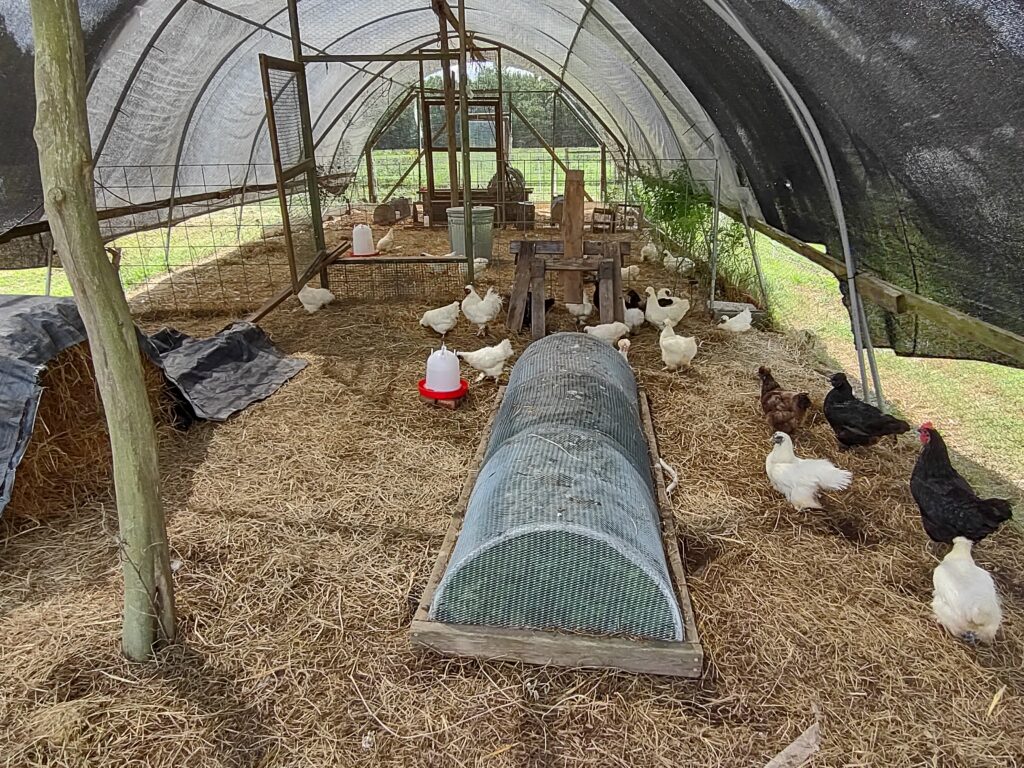
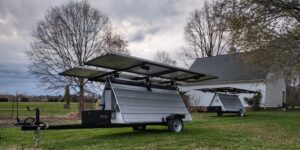
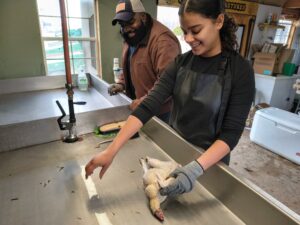
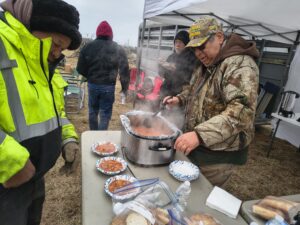
Our ministry’s flocks of egg-laying Australorp chickens are a vital part of our farm’s community outreach programs. Through the generous, ongoing support of Mechanicsville Christian Center, we are able to donate nearly 18,000 eggs each year to shut-ins, food-insecure individuals, and people with disabilities in our community. We provide 30 dozen eggs every week during the laying season (March–November). Our eggs are distributed by volunteer drivers who make home deliveries in partnership with our affiliate food pantry, Promise Land Storehouse. They deliver to 70 households across seven distribution routes. During the spring flush months (March–May), when our egg production is at its peak, we double our egg donations to 60 dozen per week and provide an additional 30 dozen per week to the Charles City Food Pantry, which offers weekly free shopping days for the community.
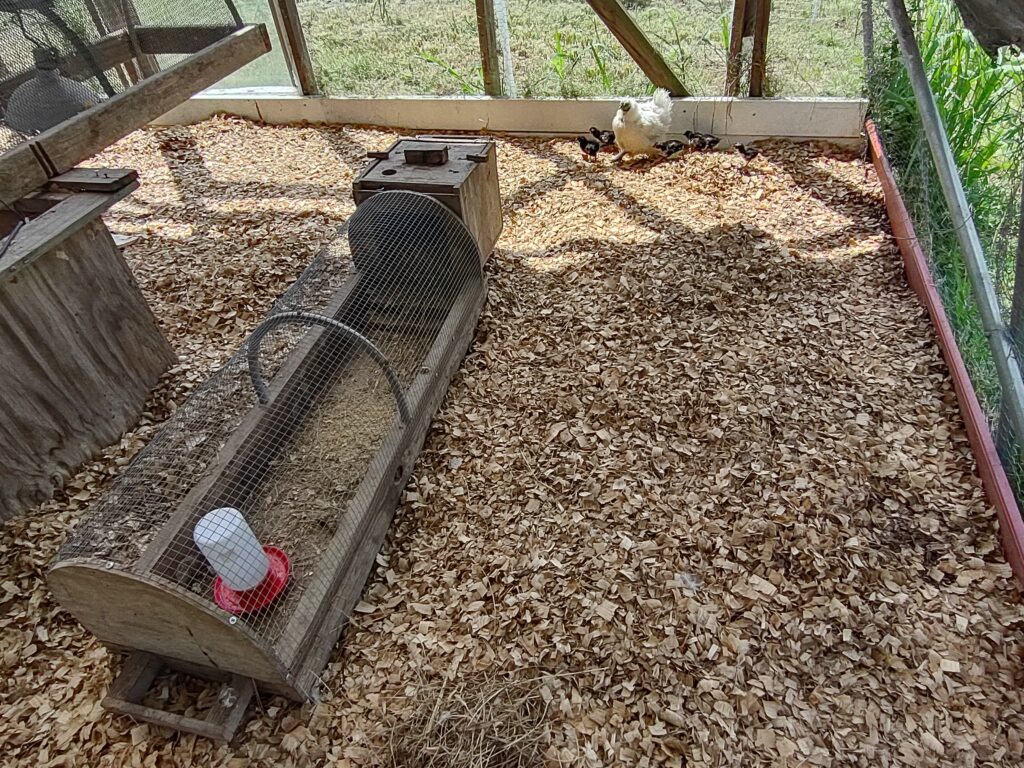
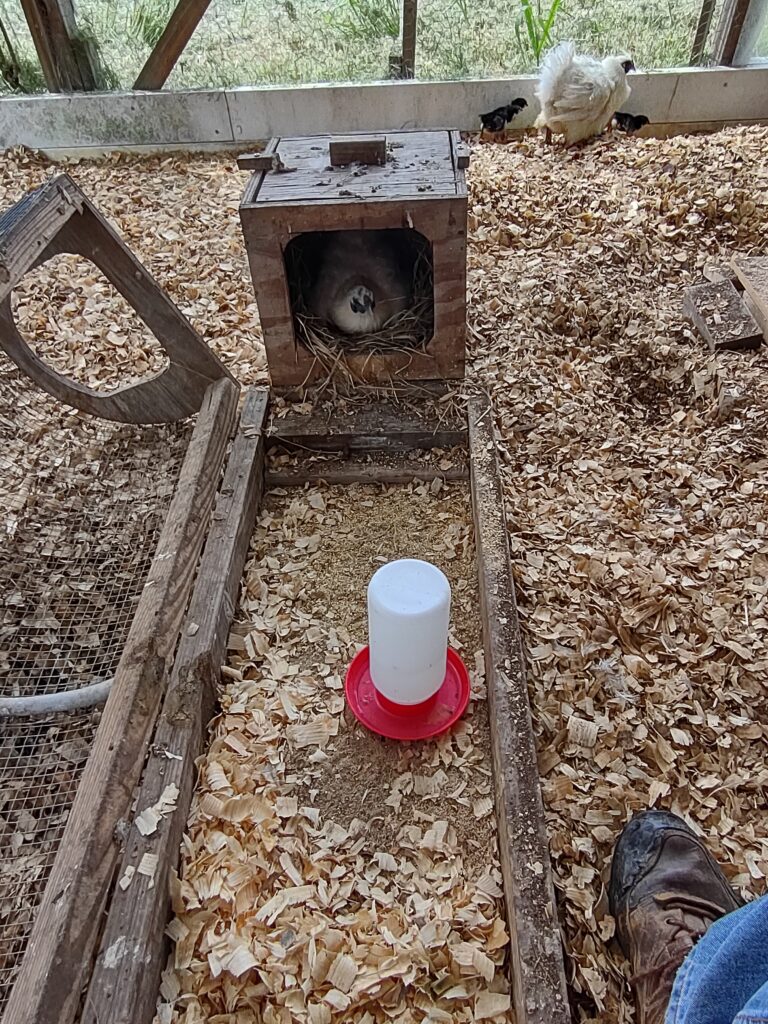
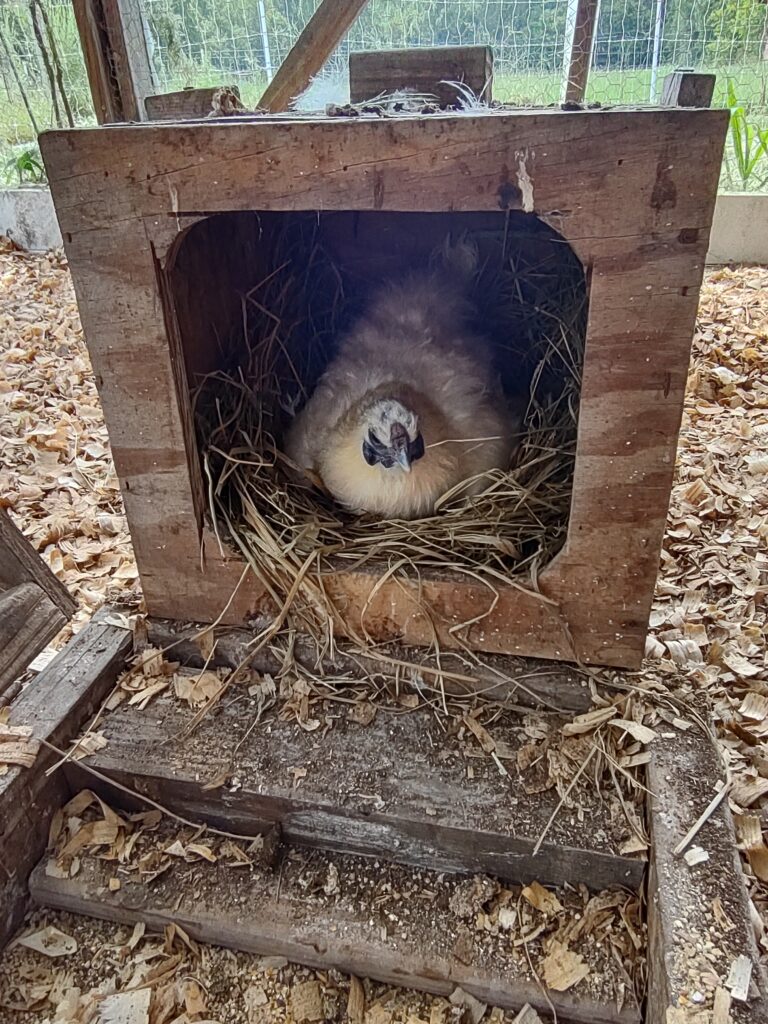
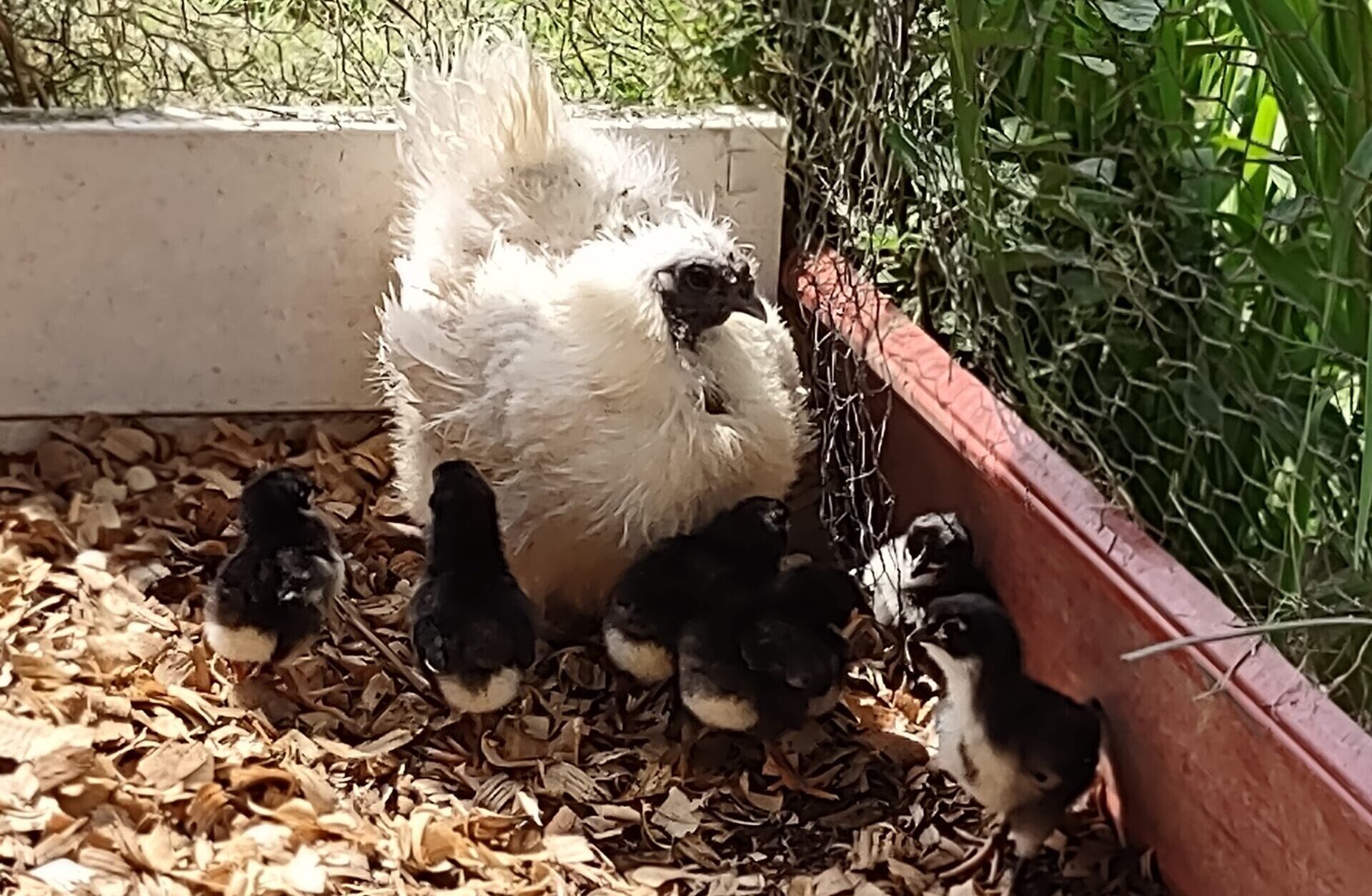
To keep these flocks laying at optimal levels, we must continuously refresh the laying flock with new chickens. We can either purchase new chicks each year or brood our own using fertilized eggs from our flock. Committed to sustainability and innovation, we have worked diligently to develop a system that uses a small, separate flock of Silkie chickens to brood and raise new chicks for our egg project. Silkies have incredible mothering instincts and will incubate the fertilized eggs from our Australorp layers as if they were their own. After 21 days, these devoted little mothers will have a brood of black Australorp chicks to nurture until they are ready to join the main flock.
This short video explains the system. This year, we seem to have finally perfected the brooding process by utilizing an innovative broody chamber that we designed and built with the help of our student interns. So far, we are seeing a steady stream of new chicks and faithful Silkie mothers to care for them, and the system is working well! It’s so much fun! We hope to hold workshops in the future to teach other family farms how to build these broody chambers and establish their own brooding systems for their flocks.